Mato Grosso do Sul: Brazil's Nature Powerhouse
When most international travelers think of Brazil, they picture Rio de Janeiro's beaches, the Amazon rainforest, or the urban energy of São Paulo. Mato Grosso do Sul rarely appears on these mental maps — which is precisely why it remains one of South America's most rewarding destinations for those willing to venture beyond the obvious.
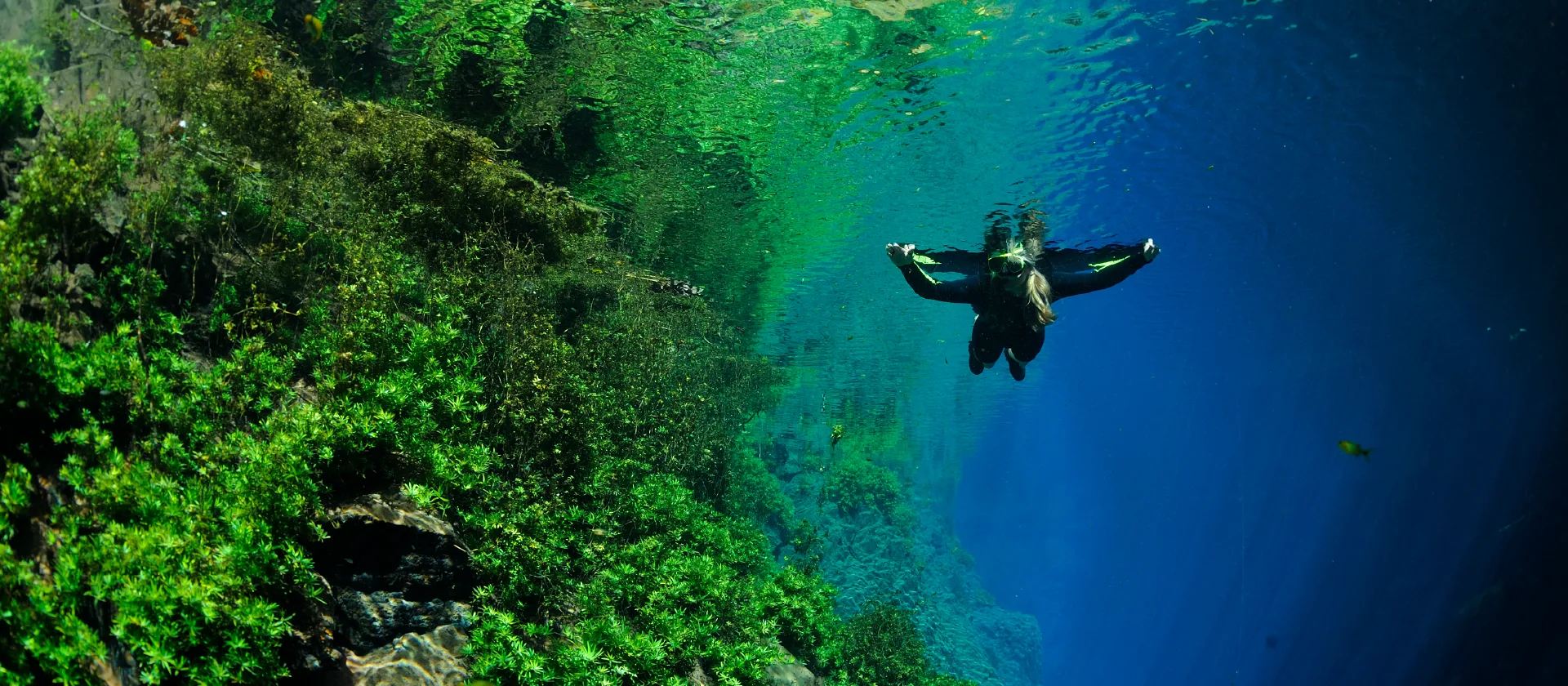
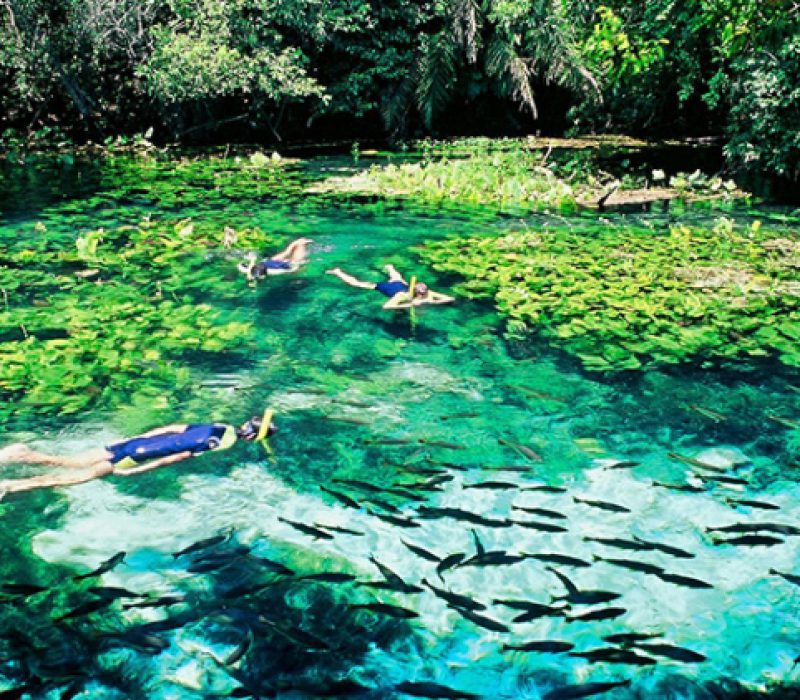
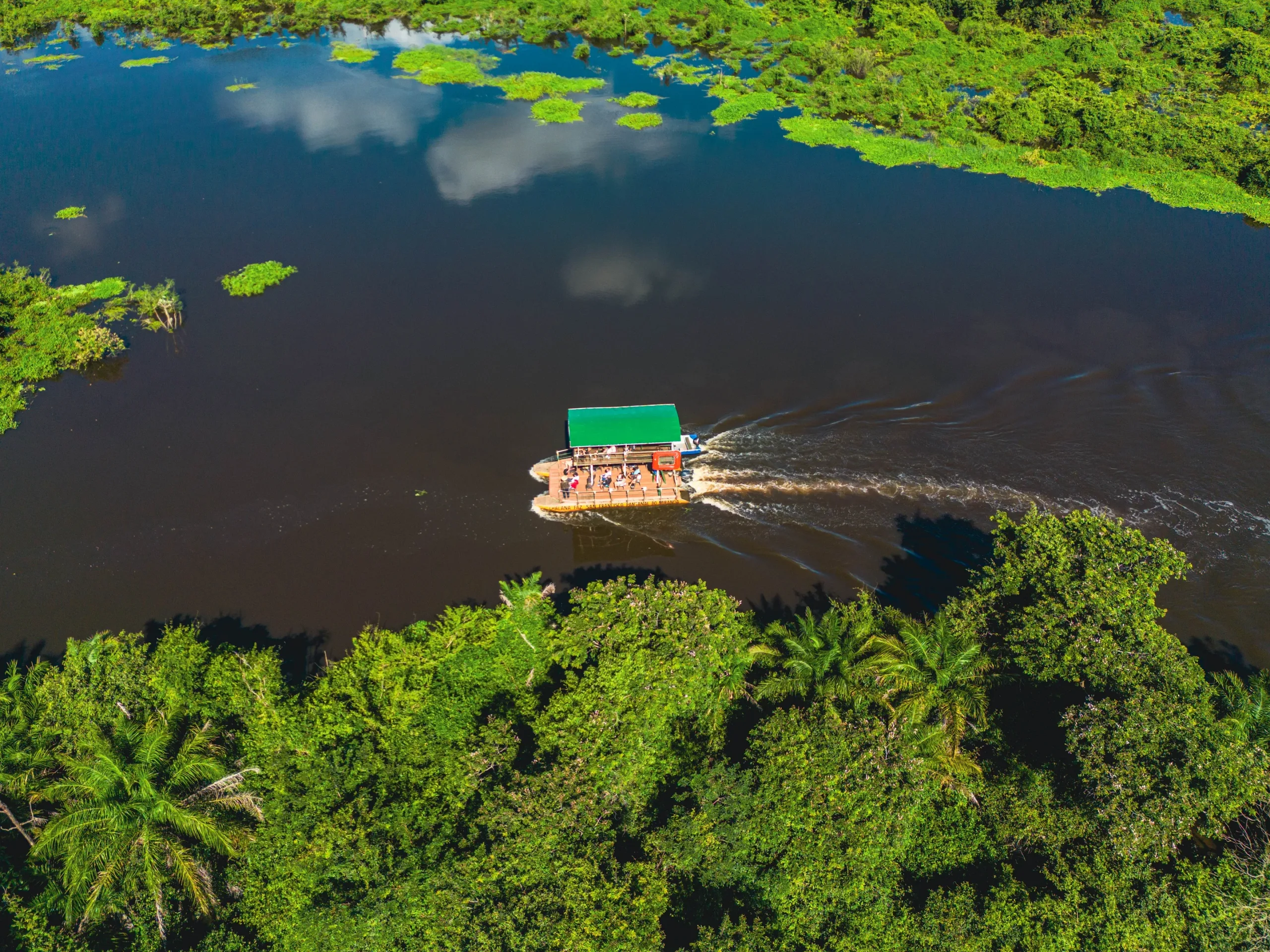
This vast state in Brazil's Center-West region contains two of the continent's most extraordinary natural environments: Bonito, the world's finest freshwater ecotourism destination, and the Pantanal Sul, the southern section of the world's largest tropical wetland. Together, they form a nature itinerary that rivals anything in the Amazon — with better infrastructure, more accessible wildlife, and a fraction of the crowds.
Geography and Climate
Mato Grosso do Sul covers 357,145 square kilometers — larger than Germany — and sits at the convergence of three major South American biomes: the Cerrado (tropical savanna), the Pantanal (tropical wetland), and the Atlantic Forest. This convergence creates extraordinary biodiversity.
Climate zones:
| Region | Dry Season | Wet Season | Average Temperature | |---|---|---|---| | Bonito (Plateau) | April–September | October–March | 22°C | | Pantanal (Lowlands) | May–October | November–April | 26°C | | Campo Grande (Capital) | April–September | October–March | 23°C |
The dry season generally offers the best wildlife viewing and water clarity, but the wet season transforms the landscape into a lush green paradise with its own unique appeal.
The State Capital: Campo Grande
Campo Grande (population 900,000) is the gateway to Mato Grosso do Sul and a surprisingly pleasant city in its own right. Known as the "Morena City" for its reddish soil, it offers excellent regional cuisine, a vibrant market scene, and several museums dedicated to the state's indigenous cultures and natural history.
Key attractions in Campo Grande:
- Mercado Municipal — the central market, excellent for regional foods and crafts
- Museu das Culturas Dom Bosco — outstanding collection of indigenous artifacts and natural history
- Parque das Nações Indígenas — a large urban park with a lake and indigenous cultural center
- Feira Central — the Saturday night street market, famous for sobá (a local noodle dish)
Getting to Mato Grosso do Sul
By air: Campo Grande International Airport (CGR) receives direct flights from São Paulo (1h 30min), Rio de Janeiro (2h), Brasília (1h 30min), and Curitiba. Several Brazilian carriers serve the route, with fares that are generally affordable.
From Campo Grande to Bonito: 250 km via MS-382, approximately 3.5 hours by car or 4–5 hours by bus. Car rental is recommended for flexibility.
From Campo Grande to the Pantanal: The main gateway towns of Corumbá (430 km, 5 hours) and Miranda (200 km, 2.5 hours) are accessible by road or bus.
Bonito: The Crown Jewel
No visit to Mato Grosso do Sul is complete without spending time in Bonito. The town itself is small and charming, with a pedestrian-friendly center, excellent restaurants, and a genuinely warm local culture. But the real attraction is the surrounding nature — crystal rivers, limestone caves, and wildlife that exists in extraordinary abundance.
Minimum recommended time in Bonito: 3 days Ideal time: 4–5 days
See our dedicated [Bonito Ecotourism Guide](/blog/bonito-ecotourism-guide) for complete details on activities, planning, and logistics.
The Pantanal Sul: Wildlife Paradise
The Pantanal Sul (Southern Pantanal) is the more accessible section of the world's largest tropical wetland. While the northern Pantanal (in Mato Grosso state) is more remote and expensive to reach, the southern section offers equally spectacular wildlife viewing with better road access and a wider range of accommodation options.
Key wildlife of the Pantanal Sul:
- Jaguar — the Pantanal has the world's highest density of jaguars
- Giant river otter — families of up to 8 individuals
- Hyacinth macaw — the world's largest parrot
- Capybara — the world's largest rodent, seen in herds of hundreds
- Caiman — millions of caimans inhabit the wetlands
- Giant anteater — frequently seen on open grasslands
The Pantanal + Bonito Combination
The most popular itinerary for international visitors combines both destinations:
7-day itinerary:
- Day 1: Arrive Campo Grande, transfer to Bonito
- Days 2–4: Bonito activities (Rio da Prata, Gruta do Lago Azul, Buraco das Araras)
- Day 5: Transfer to Pantanal lodge
- Days 6–7: Pantanal safaris (boat, vehicle, walking)
- Day 8: Return to Campo Grande, fly home
Indigenous Cultures
Mato Grosso do Sul has one of the largest indigenous populations in Brazil, with significant communities of Guarani-Kaiowá, Terena, and Kadiwéu peoples. Several cultural tourism initiatives allow respectful visits to indigenous communities, offering insight into traditional crafts, music, and cosmology. The Museu das Culturas Dom Bosco in Campo Grande houses one of the finest collections of indigenous material culture in South America.
Regional Cuisine
Mato Grosso do Sul has a distinctive culinary tradition that blends indigenous, Portuguese, and Paraguayan influences:
- Sobá — a cold noodle dish with pork broth, a Campo Grande specialty
- Chipa — Paraguayan cheese bread, ubiquitous throughout the state
- Peixe do Pantanal — grilled Pantanal fish (dourado, pintado, pacu)
- Arroz com pequi — rice cooked with pequi, a Cerrado fruit with a distinctive flavor
- Tereré — cold mate tea with herbs, the regional drink of choice
Practical Information
| Category | Details | |---|---| | Currency | Brazilian Real (BRL) | | Language | Portuguese (English spoken at most tourist facilities) | | Visa | Visa-free for most nationalities (check current requirements) | | Best time to visit | April–September (dry season) | | Health | Yellow fever vaccination recommended; consult your doctor | | Safety | Generally safe; standard travel precautions apply |
Mato Grosso do Sul rewards those who make the effort to reach it. In a country of extraordinary natural diversity, this state stands out as a place where the ecosystems remain genuinely intact, the wildlife is genuinely abundant, and the tourism infrastructure is genuinely excellent. It is, in the truest sense, Brazil's hidden nature paradise.
Solicitar Orçamento Personalizado
Pronto para viver essa experiência? Nossa equipe cria o roteiro perfeito para você.
Falar com especialista